Packaging resource
Corrugated box sizing guide
Getting box dimensions right is one of the most important steps in any packaging project. The wrong size means wasted material, higher shipping costs, and damaged products. This guide covers how to measure, specify, and communicate box dimensions when working with a corrugated supplier.
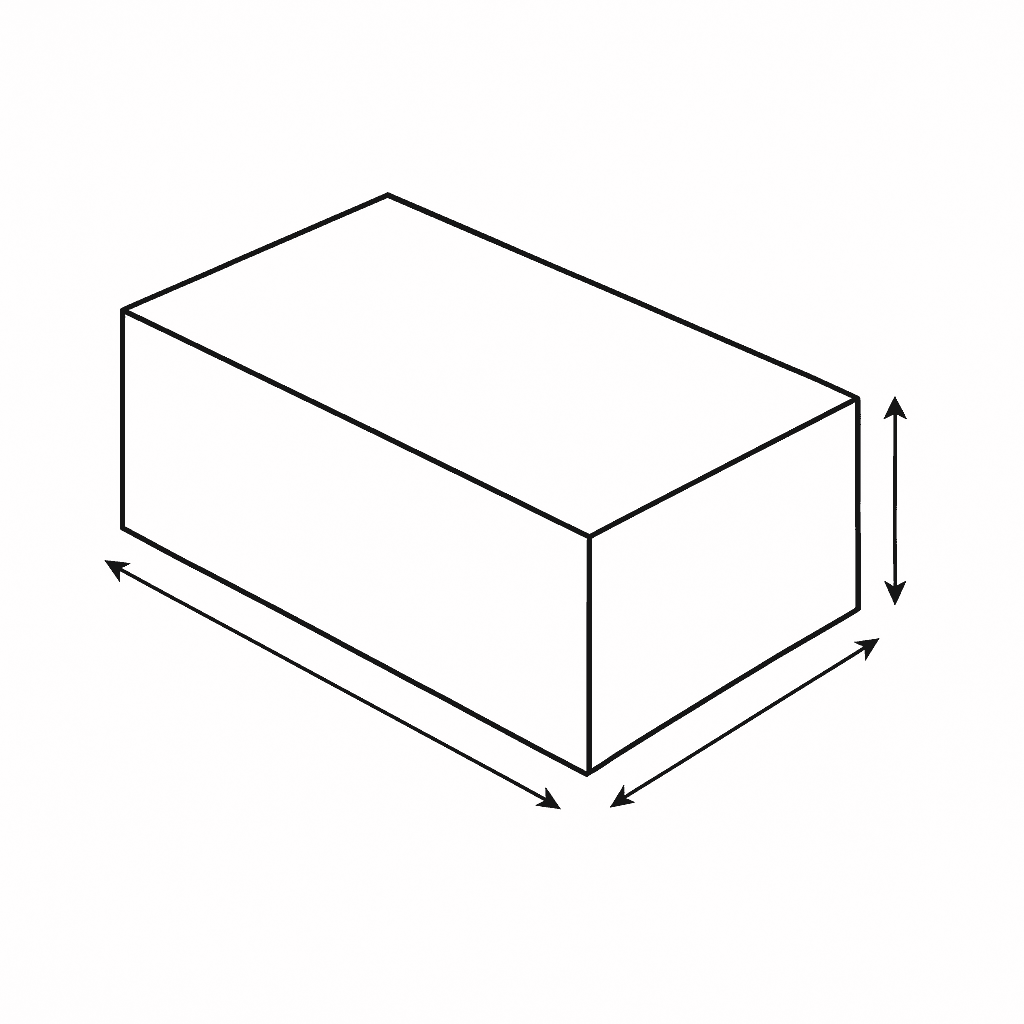
How corrugated box dimensions work
Corrugated box dimensions are always listed in the same order: Length × Width × Depth (L × W × D). This convention is used industry-wide, so every supplier you work with should follow it. Understanding what each measurement refers to is essential for avoiding sizing mistakes.
Length is the longer dimension of the box opening — the side you see when looking down at the open box. Width is the shorter dimension of the opening. Depth (sometimes called height) is the distance from the bottom of the box to the top of the flaps.
When a supplier quotes “18 × 12 × 10,” they typically mean 18 inches long, 12 inches wide, and 10 inches deep — measured from inside the box. Always confirm whether dimensions are inside or outside measurements, because the difference matters when fitting products and calculating shipping costs.
Inside vs. outside dimensions
The corrugated industry standard is to quote inside dimensions. This is the usable space for your product. Outside dimensions are larger because they include the thickness of the corrugated board on all sides.
For single-wall corrugated (the most common), board thickness is roughly 3/16 inch. For double-wall, it can be 1/4 inch or more. That means outside dimensions are typically 3/8 to 1/2 inch larger than inside dimensions in each direction.
This distinction matters most when you are shipping boxes inside other boxes (master cartons), fitting products into existing shelving or pallet configurations, or calculating dimensional weight for carrier pricing.
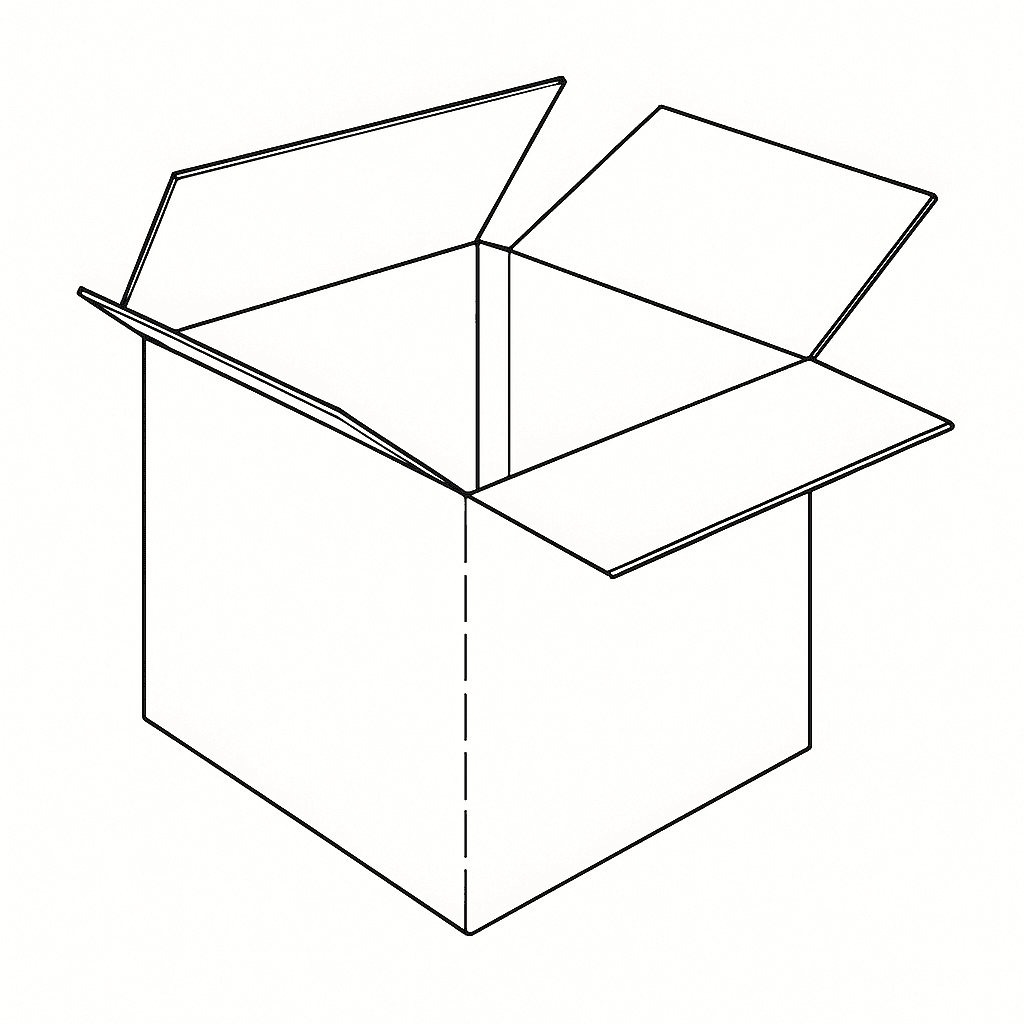
Standard RSC (Regular Slotted Container) — the most common corrugated box style. Flaps meet at the center when closed.
Common stock box sizes
Most corrugated suppliers carry a range of stock sizes that ship faster and cost less than custom dimensions. If your product fits a standard size with reasonable void fill, stock boxes are usually the most cost-effective option — especially for smaller runs.
Small mailer
10 × 8 × 4″
Apparel, small electronics, books
Medium shipper
14 × 14 × 14″
General merchandise, kits, retail goods
Large shipper
24 × 18 × 18″
Bulk goods, multi-item orders, wholesale
Tall / narrow
8 × 8 × 36″
Posters, lamps, long parts, tubing
Flat
24 × 18 × 6″
Framed items, apparel stacks, documents
Heavy duty
24 × 24 × 24″
Industrial parts, equipment, high-weight loads
When to go custom
Custom dimensions make sense when stock sizes waste too much material, when dimensional weight penalties are significant, or when your product requires a tight fit for protection. Most suppliers have minimum order quantities for custom sizes — typically 500 to 1,000 units depending on the box style and construction.
Common sizing mistakes
These are the errors we see most often when buyers specify box dimensions for the first time or switch suppliers.
Confusing inside and outside dimensions
Suppliers quote inside dimensions — the usable space for your product. Outside dimensions are slightly larger due to board thickness. Always confirm which measurement convention a supplier is using before placing an order.
Not accounting for dunnage and cushioning
If your product needs foam inserts, air pillows, or corrugated partitions, you need a box larger than the product itself. Add at least 1–2 inches per side for cushioning materials.
Ordering a size that triggers DIM weight surcharges
Carriers charge by dimensional weight if the box is too large relative to the actual product weight. An oversized box with excessive void fill can significantly increase shipping costs.
Ignoring flap overlap and closure
Standard RSC boxes have flaps that meet in the middle. If the box is too wide relative to its depth, the flaps may not fully close. Make sure the depth is at least half the width for proper flap coverage.
Sizing boxes for shipping efficiency
The most efficient box is the smallest one that still protects the product with appropriate cushioning. Oversized boxes increase material costs, require more void fill, and trigger dimensional weight surcharges from carriers like UPS, FedEx, and USPS.
Dimensional weight (DIM weight) is calculated by multiplying L × W × D and dividing by a carrier-specific divisor — usually 139 for domestic shipments. If the DIM weight exceeds the actual weight, the carrier charges based on DIM weight instead. This means an oversized box can cost significantly more to ship even if the product inside is lightweight.
Use our DIM weight calculator to estimate dimensional weight before finalizing box dimensions. Even a 1–2 inch reduction per side can drop you into a lower billing tier with some carriers.
Pallet optimization
For high-volume shippers, box dimensions should also be optimized for pallet utilization. A standard GMA pallet is 48 × 40 inches. Choosing box dimensions that tile cleanly onto that footprint reduces wasted pallet space and can lower freight costs per unit.
Next steps
Ready to find the right supplier?
Once you know your box dimensions, browse the supplier directory to compare manufacturers and distributors that carry your size range — or request custom dimensions.